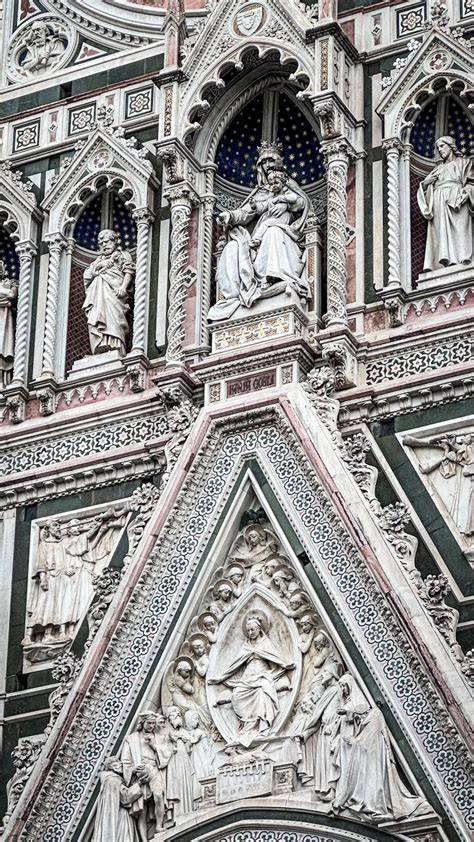
Mexico City’s Metropolitan Cathedral is built on land of a mystical origin. It was the crossroads of the four cardinal points, and the demarcation of the meeting points of the four original neighborhoods of ancient Tenochtitlan. The cathedral bell towers can house up to 56 bells. 14 of the cathedral’s 16 side-chapels are open to the public. Construction on the building began in the mid-16th century and was completed in 1813. On the main façade are the architectural styles developed during the Viceroyalty: Renaissance, Baroque, and Neoclassical. In the center of the three portals making up the façade, three large reliefs carved in marble survive. The relief in the center represents the Assumption of Mary, to which the temple is dedicated. On the side doors are "St. Peter receiving the keys from the hands of Christ" and "The nave of the Church".
Vnitřek katedrály se skládá z pěti lodí a transeptu. In the central nave is the Altar of Forgiveness, the Cathedral Choir, the two organs and the Main Chapel or Chapel of the Kings. This includes the magnificent Altarpiece of the Kings, the work of Jerónimo de Balbás. In the ambulatory naves there are several works of art and furniture of the old temple. Of the fourteen lateral chapels, the one dedicated to the Relics, one is consecrated to San Felipe de Jesús (first Mexican saint), and the chapel of the Angels conserves a beautiful set of works of art. The chapel of San Pedro holds valuable works of art and the chapel of Nuestra Señora de las Angustias de Granada also holds significant altarpieces. The paintings are the work of two magnificent artists: Cristóbal de Villalpando and Juan Correa. Both flourished at the end of the 17th century. The images of greater devotion of the temple are: El Cristo del Veneno, El Cristo de la Salud, El Señor del Cacao and El Santo Niño Cautivo.
On the side facing east, the Metropolitan Tabernacle and the Seminary School and a School for Infants were built. Today only the Sagrario remains standing. It was designed and built under the direction of Lorenzo Rodriguez in the middle of the 18th century. When the city of Tenochtitlan fell to Spanish rule, more than 50 buildings were destroyed in the sacred central quarter. A first Cathedral was demolished almost immediately, but soon a more ambitious project was underway for the most important church in the vice royal capital. Archaeological excavations uncovered part of the Temple of the Sun and the stairway of another building beneath the current Cathedral. Dir.
Metropolitní katedrála je výrazně symbolem historického prostupu kultur a časů, od původních kultur středoitalských až po baroko a klasicismus v období první španělské nadvlády. Vnější fasáda kombinuje renesanční, barokní a neoklasicistní prvky; uvnitř dominuje pět lodí s bohatými oltáři, relikviemi a malbami Cristóbala de Villalpando a Juana Correy. Tato katedrála tehdejším městským jádrem byla nejen obřadní stavbou, ale i svědectvím o koloniálním kulturním dědictví a archeologických nálezech pod ní.
Architektura a umělecká díla uvnitř
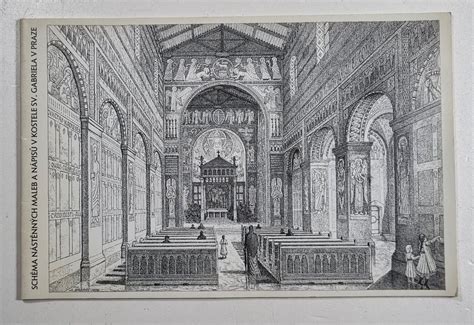
In the central nave is the Altar of Forgiveness, the Cathedral Choir, the two organs and the Main Chapel or Chapel of the Kings. This includes the magnificent Altarpiece of the Kings, the work of Jerónimo de Balbás. In the ambulatory naves there are several works of art and furniture of the old temple. The paintings are the work of Cristóbal de Villalpando and Juan Correa, two prominent artists who flourished at the end of the 17th century.
Mezi nejvýznamnějšími díly patří relikviář vyhrazený pro Relics, kaple San Felipe de Jesús a kaple Andělů. Kaple San Pedro uchovává cenná díla a kaple Nuestra Señora de las Angustias de Granada má také významné oltáře. Mezi vyobrazení z doby sloužící božstvu patří El Cristo del Veneno, El Cristo de la Salud, El Señor del Cacao a El Santo Niño Cautivo, což ukazuje pestrý soubor zbožnosti a uměleckých vyobrazení.
Na východní straně byla postavena Metropolitní tabernakule a seminář spolu s školkou pro děti; dnes zůstává stát jen Sagrario. Její návrh a výstavba proběhla pod vedením Loraanze Rodrigueze ve střední 18. století.
Historická rehabilitace a archeologie
Když město Tenochtitlan padlo pod španělskou vládu, bylo zničeno více než 50 budov ve svatém centrálním kvadrantu. První katedrála byla téměř okamžitě stržena, ale brzy vznikl ambiciózní projekt pro nejdůležitější kostel ve viceregální metropole. Archeologické průzkumy odhalily část chrámu Slunce a schodiště jiné budovy pod současnou katedrálou. Dir.
- Historie založení a výstavby (16. až 19. století)
- Architektura a styl vnější fasády
- Uvnitř: oltáře, malby a významná díla
- Nálezy pod katedrálou a archeologie
5. Gotické katedrály
Klíčové skutečnosti a původné vrstvy města
Metropolitní katedrála stojí na zemi mystického původu a bývá považována za střed křížení čtyř světových stran a míst od původních čtvrtí Tenochtitlánu. Výtvarný komplex na hlavní fasádě zahrnuje renesanční, barokní a neoklasické prvky, které odrážejí období vicekrálovství. Interiér je bohatý na oltáře, chóry a významná díla, která vznikla koncem 17. století díky Cristóbalu de Villalpando a Juanovi Correovi.
Udělejme krátký pohled na to, jak se katedrála stala symbolem historické kontinuity a náboženské identity města.
V současnosti jsou veřejnosti přístupné čtyřiadvacet z patnácti kaplí, kaple Relics a další významná místa, kde se zachovaly obrazy a oltáře. Katedrála byla dokončena v roce 1813 a její stavba byla postupně realizována od poloviny 16. století. Na východní straně se nachází Sagrario, které zůstalo jako poslední zřetelná památka původní architektury.
tags: #metropolitni #katedrala #national #palace