Piero della Francesca je považován za mistra rané renesance a jednoho z nejvýznamnějších malířů 15. století. Z něj a jeho převážně náboženských děl si vzalo příklad mnoho dalších umělců. Piero byl zároveň matematikem a teoretikem umění. Přesné datum jeho narození není známo, protože jeho rodný list shořel v archivu. To, že Piero della Francesca byl matematik, se odrazilo i v jeho dílech. Proporce a objemy těles byly přesně vypočítány, obrazy působí velmi prostorově a je v nich klid a ticho. Stejně jako Leonardo da Vinci, který se narodil dvě generace po něm, i Piero rád experimentoval s mnoha malířskými technikami. Piero se nejprve vyučil malířem ve Florencii, kde také údajně strávil většinu svého mládí. Jeho poslední známé dílo pochází z roku 1478, poté se věnoval psaní knih o teorii umění. Tragické je, že v posledních letech svého života byl údajně slepý. Pro milovníky umění a procházek je tu stezka Sansepolcro a Piero della Francesca, která vás zavede i k Pierovu největšímu dílu, Vzkříšení.
Klíčová díla a jejich význam
The Flagellation of Christ, 1444... The Madonna del Parto, c.1450-70... Madonna di Senigallia or „Mado... The Madonna del Parto, c.1450-70... The Queen of Sheba Worshipping t... Battista Sforza, wife of Federig... The Reception of the Queen of Sh... Portrait of the duke of Urbino, ... The Legend of the True Cross, th... The Legend of the True Cross, de... Portraits of Federico de Montefel... The Resurrection, c.1463 fresco ... The Madonna of Mercy, central pa... Sigismondo Malatesta (d.1468) kn... Federigo da Montefeltro (1422-82... Portraits of Duke Federico da Mo... Portraits of the Duke and Duches... Ritratti dei Duchi di Urbino Fed... The Dream of Constantine, detail... The Resurrection, detail of Chri... Diptych of triumph of Federico d... Saint Mary " della Misericordia ... The Verification of the True Cro... Triumph of Battista Sforza, Duch... Sleeping guards, detail from the... Triumph of Federigo da Montefelt... Detail from the Legend of the Tr... Ritratti dei Duchi di Urbino Fed... Polyptych of Saint Augustine: Sa... The Legend of the True Cross, th... The Legend of the True Cross, th... Torture of the Jew: Judas Being ... The Legend of the True Cross, th... Apse with the Legend of the True... Detail from the Legend of the Tr... The Discovery of the Wood of the... The Legend of the True Cross, th... The Legend of the True Cross, th... Detail from The Legend of the Tr... The Legend of the True Cross, th... Saint Julian Fresco by Piero del... The Legend of the True Cross, th... Burying of the Wood, from the Tr... The Madonna del Parto, c.1460 (... The Legend of the True Cross, th... Detail from The Legend of the Tr... Saint Mary Magdalene Fresco by P... The Legend of the True Cross, th... The Dream of Constantine, comple... The Resurrection of Christ,1463-... The Resurrection, c.1463 (see a... The Verification of the True Cro... Detail from the Legend of the Tr... The Legend of the True Cross, th... Detail from The Legend of the Tr... The Legend of the True Cross, th... The Legend of the True Cross, th... Saint Mary „Madonna della Misericordia“ ...
Italský malíř Piero della Francesca je považován za mistra rané renesance a jednoho z nejvýznamnějších malířů 15. století. Z něj a jeho převážně náboženských děl si vzalo příklad mnoho dalších umělců. Piero byl zároveň matematikem a teoretikem umění. Přesné datum jeho narození není známo, protože jeho rodný list shořel v archivu. To, že Piero della Francesca byl matematik, se odrazilo i v jeho dílech. Proporce a objemy těles byly přesně vypočítány, obrazy působí velmi prostorově a je v nich klid a ticho. Stejně jakoLeonardo da Vinci, který se narodil dvě generace po něm, i Piero rád experimentoval s mnoha malířskými technikami. Piero se nejprve vyučil malířem ve Florencii, kde také údajně strávil většinu svého mládí. Jeho poslední známé dílo pochází z roku 1478, poté se věnoval psaní knih o teorii umění. Tragické je, že v posledních letech svého života byl údajně slepý. Pro milovníky umění a procházek je tu stezka Sansepolcro a Piero della Francesca, která vás zavede i k Pierovu největšímu dílu, Vzkříšení.
- The Flagellation of Christ (klíčové téma rytiny a pohledu na nadpozemské lineární kresby)
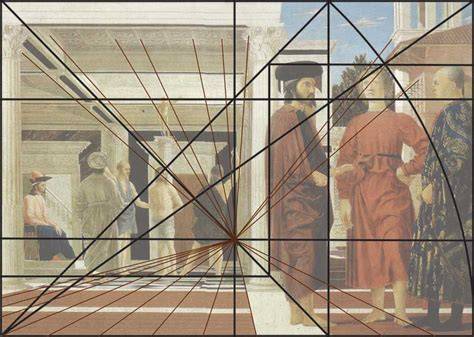
- The Resurrection, c.1463 (freska s hlubokou perspektivou a kompozicí)
- Madonna del Parto (tradiční ikonografie s důrazem na klid a prostorové vyznění)
- Portrait of Battista Sforza (intimní a formálně vyrovnaný portrét)
Pro milovníky umění a procházek je tu stezka Sansepolcro a Piero della Francesca, která vás zavede i k Pierovu největšímu dílu, Vzkříšení. Sehr schönes Bild bekommen. Die Auswahl ist gigantisch und die Auswahl der Formate und Rahmen nochmals dazu. Bild sieht aus wie gemalt, bin sehr beeindruckt. Komplet was anderes als ein normaler Posterdruck. Beim liefern funktionierte das Traking nicht. Lieferfrist wurde jedoch eingehalten. Wow....ich bin sehr über die Qualität erstaunt. Diese Drucke haben all´meine Erwartungen übertroffen. Desgleichen der Ablauf der Bestellung. Excellent / Highly recommended. The selection, ordering and payment process were easy, shipping was efficient and the item itself exceeds expectations. Großartiger Kundenservice - freundlich, unglaublich hilfsbereit und jederzeit engagiert.
Die Qualität des Drucks und der Rahmung ist hervorragend und den Preis absolut wert. Eine große Auswahl an Bildern und deren Reproduktionsmöglichkeiten; wurde sehr gut durch die einzelnen Bestellkriterien geführt, verständliche Erklärungen, z.B. Das Ergebnis sieht hervorragend aus. Der telefonische Service hat mir geholfen, ein paar Fragen schnell zu klären. Rundum ist Meisterdrucke sehr zu empfehlen. Vor allem hat mich die Qualität des Drucks begeistert!
Semi-kontextuální poznámky z trhu ukazují, že zákazníci oceňují kvalitu tisku, možnosti přizpůsobení a personalizaci, stejně jako rychlou a vstřícnou podporu. Meisterdrucke nabízí také vizualizace díla v interiéru a AR ukázky pro snadné zobrazení na telefonu či tabletu. Výběr média a papíru se často odvíjí od osobního vkusu a rozpočtu, a vzorové sady papíru pomáhají rozhodování nejen vizuálně, ale i hapticky. Každá objednávka je ručně kontrolována a zákazník obdrží vstřícnou podporu během konfigurace.
Machtelt Israëls: "Piero doma: Umění Piera della Francesca"
tags: #zvestovani #krista #piero #dela #francesca